
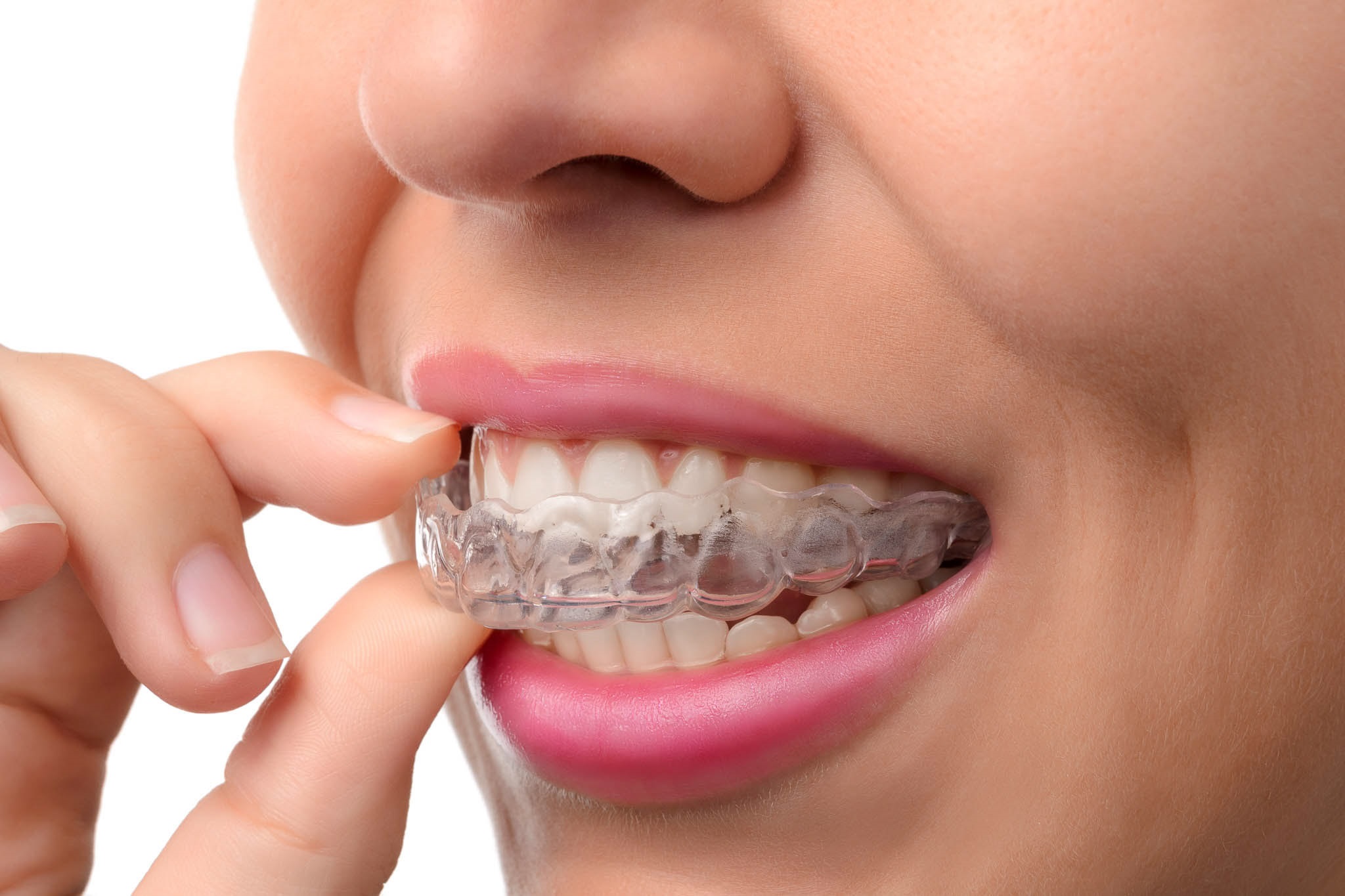
Understanding Braces
Braces are orthodontic devices used to correct teeth alignment and bite issues. These devices consist of brackets, wires, and bands that work together to gradually move teeth into their desired positions. Braces can address a variety of dental problems, including crooked teeth, overcrowding, gaps, and bite irregularities like overbites, underbites, and crossbites.
How Braces Work
The Mechanics of Braces
Braces work by applying continuous pressure over time to move teeth in a specific direction slowly. Here’s how each component plays a role:
- Brackets: These small squares are bonded directly to the front of each tooth. They act as anchors that hold the archwires.
- Archwires: These thin metal wires connect the brackets and guide teeth’ movement. They exert pressure on the teeth, helping them shift into place.
- Bands: Elastic or metal bands wrap around the teeth to provide additional anchorage for the brackets.
- Ligatures: These are small rubber bands that hold the archwires to the brackets.
The Adjustment Process
Regular visits to the orthodontist are crucial for the success of braces. During these appointments, the orthodontist adjusts the archwires, tightening them to ensure consistent pressure on the teeth. Over time, this pressure reshapes the bone around the teeth, allowing them to move into their correct positions.
Benefits of Braces
Improved Oral Health
One of the most significant benefits of braces is the improvement in oral health. Misaligned teeth can make it difficult to clean properly, leading to plaque buildup, tooth decay, and gum disease. Straight teeth are easier to brush and floss, reducing the risk of dental problems and promoting overall oral hygiene.
Enhanced Appearance and Confidence
A straight smile can significantly boost self-esteem and confidence. Many individuals feel self-conscious about their crooked or misaligned teeth, which can affect their social interactions and overall quality of life. Braces can transform your smile, giving you the confidence to smile freely and interact with others without hesitation.
Better Digestion and Nutrition
Properly aligned teeth contribute to better digestion and nutrition. When your teeth are correctly aligned, you can chew food more effectively, aiding in better digestion. This ensures that your body can absorb nutrients more efficiently, promoting better overall health.
Prevention of Dental Injuries
Protruding teeth are more susceptible to injuries, especially during physical activities or accidents. Braces help align these teeth, reducing the risk of chipping, breaking, or other dental injuries. This preventive measure can save you from potential pain and costly dental repairs in the future.
Improved Speech
Misaligned teeth and jaw positions can affect speech, leading to lisping or difficulty in pronouncing certain sounds. By correcting these issues, braces can improve your speech clarity and overall communication skills.
Long-Term Investment in Dental Health
While the process of wearing braces may seem lengthy, the long-term benefits far outweigh the temporary inconvenience. Investing in braces can save you from future dental problems and the associated costs. It’s a proactive step towards maintaining a healthy smile for life.
Types of Braces
Traditional Metal Braces
These are the most common types of braces and are made of high-grade stainless steel. Modern metal braces are smaller, more comfortable, and more effective than ever before. They offer a reliable and cost-effective solution for various orthodontic issues.
Ceramic Braces
Ceramic braces function similarly to metal braces but are made of clear or tooth-coloured materials. They are less noticeable than metal braces, making them a popular choice for adults and teenagers who want a more discreet option.
Lingual Braces
Lingual braces are attached to the back of the teeth, making them virtually invisible from the front. They offer the same effectiveness as traditional braces but with a more aesthetic appeal. However, they may require a longer adjustment period and are typically more expensive.
Invisalign
Invisalign uses a series of clear, removable aligners to straighten teeth gradually. These aligners are custom-made for your teeth and are nearly invisible when worn. Invisalign is an excellent option for those seeking a more comfortable and flexible alternative to traditional braces.
Maintaining Oral Hygiene with Braces
Brushing and Flossing
Maintaining oral hygiene is crucial when you have braces. Brushing your teeth after every meal is recommended to remove food particles and prevent plaque buildup. Using a toothbrush with soft bristles and fluoride toothpaste helps keep your teeth and braces clean. Flossing daily with a floss threader or interdental brushes can effectively clean between the teeth and under the wires.
Regular Dental Checkups
In addition to orthodontic visits, regular checkups with your dentist are essential. Professional cleanings and exams help detect and address any potential issues early on, ensuring your oral health remains in optimal condition throughout your orthodontic treatment.
Conclusion
Braces offer a multitude of benefits that go beyond just straightening your teeth. They improve your oral health, enhance your appearance, boost your confidence, and contribute to better overall health. If you’re considering braces, consult with Highland Kitchener Dentist to explore the best options for your needs.
Take the first step towards a healthier, more confident smile. Contact us at 519-885-1598 to schedule an appointment today. Your journey to a beautiful smile starts here!
DISCLAIMER: The advice offered is intended to be informational only and generic in nature. It is in no way offering a definitive diagnosis or specific treatment recommendations for your particular situation. Any advice offered is no substitute for proper evaluation and care by a qualified dentist.