
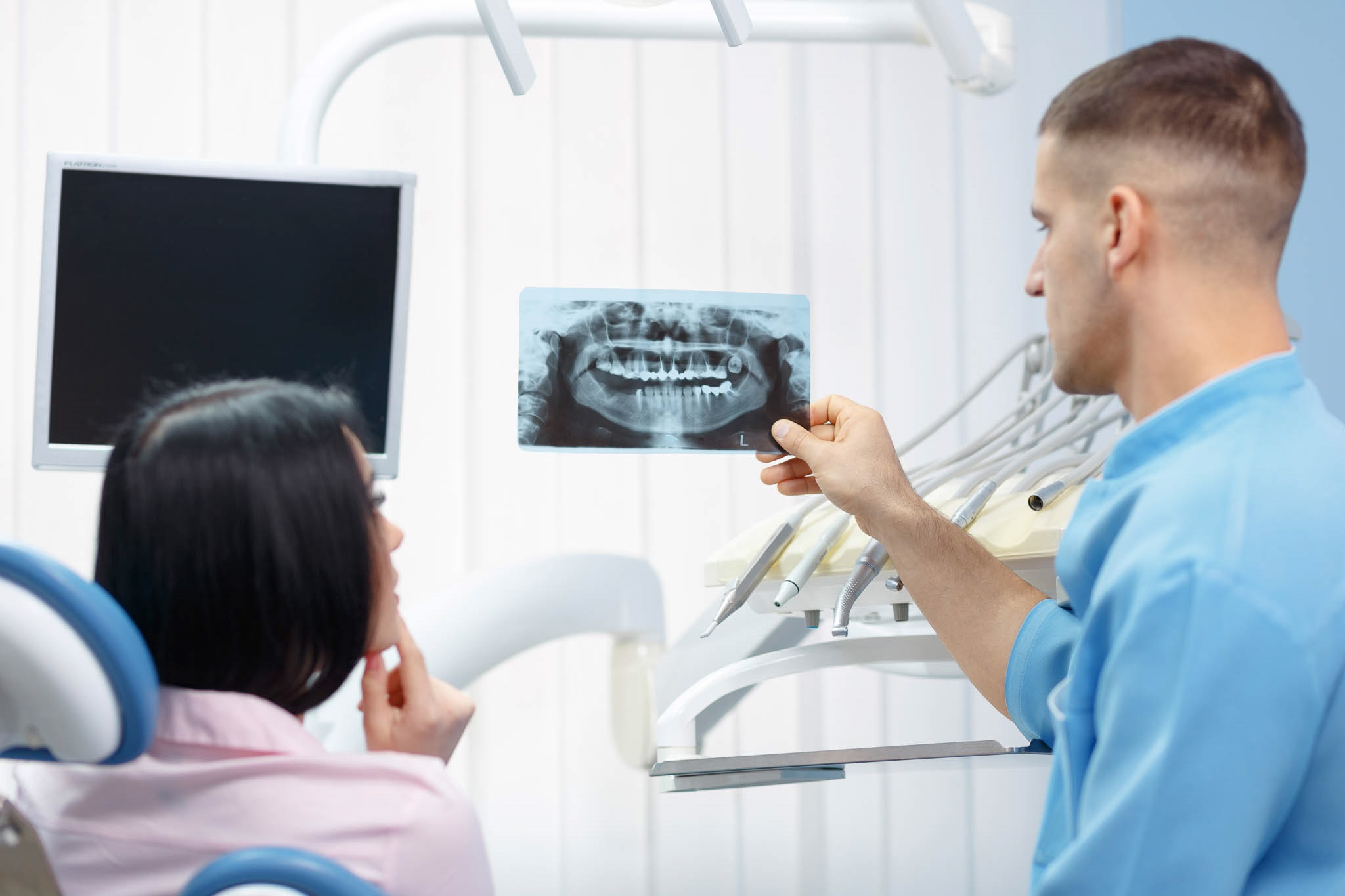
Dental X-rays are a crucial tool in maintaining optimal oral health. These images allow dentists to see beneath the surface of your teeth and gums, identifying potential issues before they become serious problems. This blog post will delve into the importance of dental X-rays, explaining how they work, their benefits, safety, and much more.
What Are Dental X-Rays?
Exploring the Basics of Dental X-Rays
Dental X-rays are images of your teeth that your dentist uses to evaluate your oral health. These X-rays capture images of the interior of your teeth and gums, helping your dentist spot issues such as cavities, tooth decay, and impacted teeth.
There are several types of dental X-rays:
- Bitewing X-rays: These show details of the upper and lower teeth in one area of the mouth. Each bitewing shows a tooth from its crown to about the level of the supporting bone.
- Panoramic X-rays: These provide a broad view of the jaws, teeth, sinuses, nasal area, and temporomandibular joints (TMJ).
- Periapical X-rays: These focus on just one or two teeth and show the entire tooth, from the crown to the root.
- Occlusal X-rays: These capture all the teeth in one arch of the mouth.
Dental X-rays work by passing small amounts of radiation through your body to create an image of your teeth and bones.
Benefits of Dental X-Rays
Why Dental X-Rays Are Essential for Oral Health
Dental X-rays offer numerous benefits that contribute to maintaining your oral health:
- Early Detection of Dental Issues: Dental X-rays help identify problems like cavities, tooth decay, and bone loss at an early stage, often before symptoms appear.
- Monitoring Teeth and Gums: Regular X-rays allow your dentist to monitor the health of your teeth and gums over time, making it easier to spot changes and intervene early.
- Assessing Dental Restorations: X-rays help evaluate the condition of fillings, crowns, and other dental restorations to ensure they are still in good shape.
- Planning Orthodontic Treatments: X-rays provide crucial information for planning and monitoring orthodontic treatments, ensuring the best outcomes.
- Evaluating Wisdom Teeth: They help determine the positioning and development of wisdom teeth, which can prevent potential complications if they are impacted or misaligned.
Safety and Risks of Dental X-Rays
Balancing Benefits and Safety in Dental X-Rays
One common concern about dental X-rays is radiation exposure. However, the amount of radiation you are exposed to during a dental X-ray is minimal. Dentists take several measures to ensure patient safety, such as using lead aprons and thyroid collars to protect your body from unnecessary exposure.
When considering the risks and benefits, the advantages of early detection and treatment of dental issues far outweigh the minimal risks associated with the radiation from dental X-rays.
Frequency of Dental X-Rays
How Often Should You Get Dental X-Rays?
The frequency of dental X-rays depends on several factors, including your age, dental history, and risk factors for dental issues. General guidelines suggest:
- Children and Teenagers: May need X-rays more frequently to monitor the development of their teeth and jaw.
- Adults: Those with a history of dental problems may require X-rays annually, while others might need them less often.
- Seniors: Regular X-rays can help monitor age-related dental issues like bone loss.
Your dentist will determine the appropriate X-rays frequency based on your needs and health history. Regular dental check-ups are essential for maintaining oral health and determining the need for X-rays.
Advances in Dental X-Ray Technology
Exploring Modern Dental X-Ray Innovations
Dental X-ray technology has advanced significantly, offering better imaging with less radiation. Digital X-rays are a modern alternative to traditional X-rays. They use electronic sensors instead of film, which reduces radiation exposure by up to 90%. Digital X-rays also provide better image quality and quicker results, allowing your dentist to diagnose issues more accurately and efficiently.
Future trends in dental X-ray technology will focus on reducing radiation exposure and improving diagnostic capabilities, ensuring even better patient care.
Common Myths and Misconceptions
Debunking Myths About Dental X-Rays
Many people have misconceptions about dental X-rays, which can lead to unnecessary fear and anxiety. Let’s address some of these myths:
- Myth: Dental X-rays are dangerous.
Fact: The radiation exposure from dental X-rays is extremely low and considered safe, especially with modern digital X-ray technology.
- Myth: You don’t need dental X-rays if your teeth feel fine.
Fact: Many dental issues, such as cavities and gum disease, can be present without any symptoms. X-rays help detect these problems early.
- Myth: Dental X-rays are unnecessary for children.
Fact: Children often need X-rays more frequently to monitor the growth and development of their teeth and jaw.
Preparing for a Dental X-Ray
What to Expect During Your Dental X-Ray Appointment
If you’re scheduled for a dental X-ray, it’s helpful to know what to expect. The process is quick and painless:
- Preparation: You’ll wear a lead apron and possibly a thyroid collar to protect against radiation.
- Positioning: The dental professional will position the X-ray machine and sensors in your mouth.
- Taking the X-ray: You’ll need to stay still for a few seconds while the X-ray is taken.
- After the X-ray: The images are processed, and your dentist will review them to identify any issues.
Your comfort and safety are a top priority, and your dental team will ensure you feel at ease throughout the process.
Conclusion
Emphasizing the Importance of Dental X-Rays
Dental X-rays are an invaluable tool in maintaining oral health. They allow for the early detection of dental issues, monitor the health of teeth and gums, and ensure the success of dental treatments. By understanding the importance of dental X-rays, you can make informed decisions about your dental care.
Schedule Your Dental X-Ray Appointment Today
At Highland Kitchener Dentist, we prioritize your oral health and well-being. If it’s time for your next dental check-up or if you have concerns about your dental health, don’t hesitate to reach out. Contact us at 519-885-1598. Our experienced team is here to provide you with the best dental care and ensure your smile stays healthy and bright.
DISCLAIMER: The advice offered is intended to be informational only and generic in nature. It is in no way offering a definitive diagnosis or specific treatment recommendations for your particular situation. Any advice offered is no substitute for proper evaluation and care by a qualified dentist.