
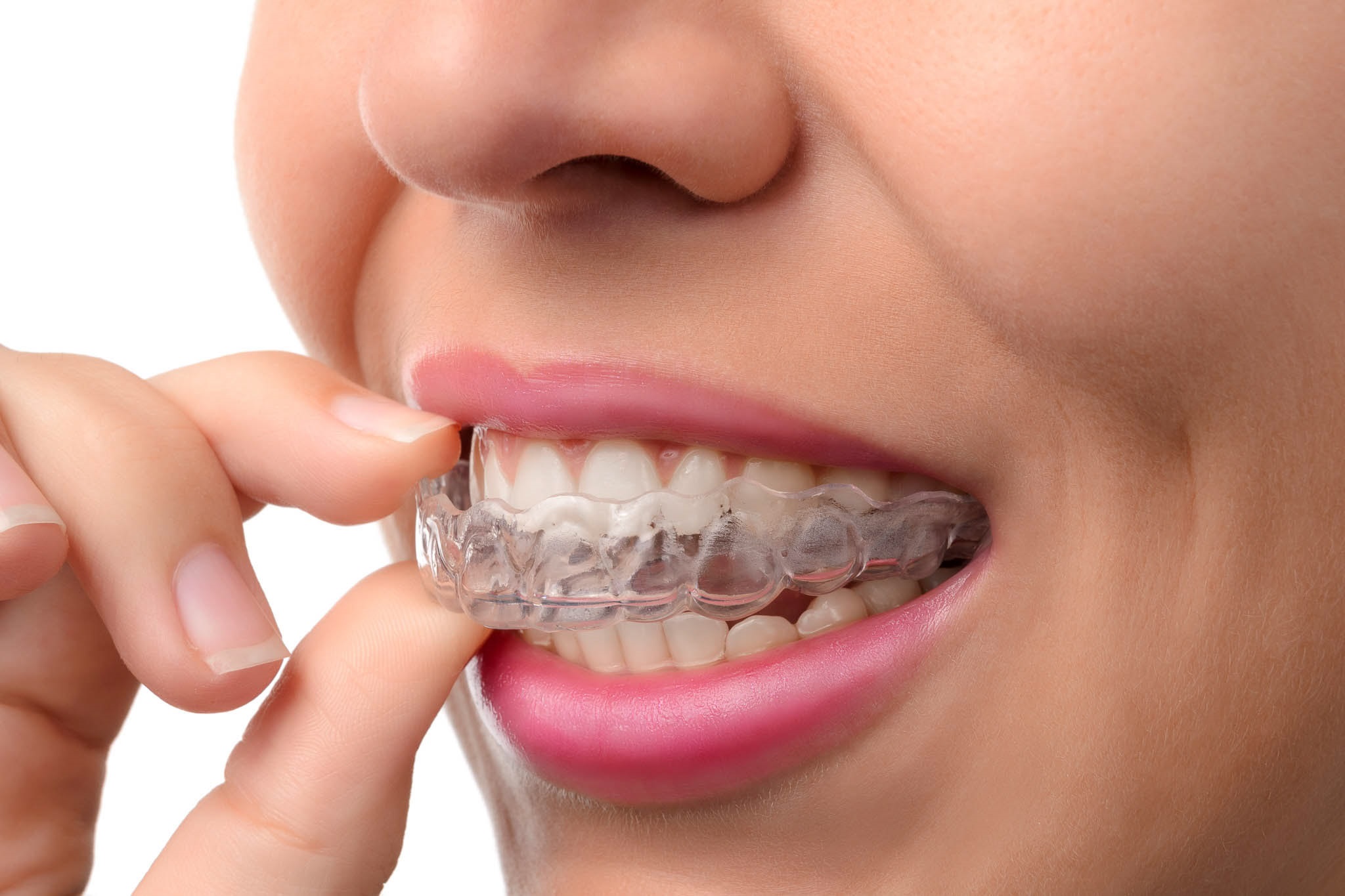
Enhancing Oral Health with Dental Splints
Dental health plays a crucial role in our overall well-being, and dental splints offer an effective solution to various dental issues. At Highland Kitchener Dentist, we believe in providing comprehensive care, including the use of dental splints to enhance our patients’ oral health.
What is a Dental Splint?
Definition and Purpose
A dental splint is a custom-made appliance designed to address specific dental issues. It stabilizes teeth, reduces strain on the jaw, and prevents further damage to your oral structures.
Types of Dental Splints
- Occlusal Splints: These are used to correct bite issues and alleviate jaw pain.
- Stabilization Splints: Ideal for those suffering from temporomandibular joint disorder (TMJ/TMD).
- Soft Splints: Typically used for mild cases of teeth grinding or bruxism.
Who Needs a Dental Splint?
Common Conditions Treated
- Temporomandibular Joint Disorder (TMJ/TMD): Dental splints help to relieve jaw pain and improve function.
- Bruxism (Teeth Grinding): Protects teeth from damage caused by grinding and clenching.
- Sleep Apnea: Helps keep airways open during sleep.
- Tooth Alignment Issues: Helps align teeth correctly, improving overall dental health.
How Dental Splints Work
Mechanism of Action
Dental splints work by redistributing the forces exerted by the jaw and teeth, thereby reducing strain and preventing damage.
Customization and Fitting Process
Your dentist at Highland Kitchener Dentist will take precise measurements of your mouth to create a custom-fit splint, ensuring maximum comfort and effectiveness.
Duration of Use
The duration of a dental splint’s wear depends on the condition being treated. Your dentist will provide specific guidelines tailored to your needs.
Benefits of Using a Dental Splint
Relief from Pain and Discomfort
Dental splints offer significant relief from jaw pain, headaches, and neck pain associated with TMJ/TMD and bruxism.
Protection of Teeth
Dental splints protect your teeth during sleep or stressful situations by preventing tooth wear and damage.
Improvement in Sleep Quality
Splints can reduce snoring and improve breathing, leading to better sleep quality.
Enhanced Jaw Function
Correcting bite alignment and reducing jaw clicking and popping are key benefits of dental splints.
Prevention of Further Dental Issues
Using a dental splint minimizes the risk of future dental procedures by maintaining oral health.
How to Care for Your Dental Splint
Cleaning and Maintenance Tips
- Clean your splint daily with a toothbrush and non-abrasive toothpaste.
- Soak it in denture cleaner once a week to keep it hygienic.
Storage Recommendations
Store your dental splint in a protective case when not in use to prevent damage and contamination.
When to Replace or Adjust Your Splint
Regular check-ups with your dentist will help determine when adjustments or replacements are necessary to maintain optimal performance.
Potential Side Effects and How to Address Them
Common Side Effects
- Initial discomfort may occur as you adjust to wearing the splint.
- You might experience excessive salivation initially.
Solutions and Tips for Adjustment
- Gradually increase the wear time to get used to the splint.
- Practice good oral hygiene to minimize discomfort.
How to Get a Dental Splint
Consultation with a Dentist
Schedule a consultation with Highland Kitchener Dentist to discuss your symptoms and determine if a dental splint is right for you.
Custom Fitting Process
Your dentist will take detailed impressions of your teeth to create a custom-fit splint.
Cost and Insurance Coverage
We offer competitive pricing and can help you navigate insurance coverage for your dental splint.
Conclusion: Achieve Better Oral Health with Dental Splints
Dental splints offer numerous benefits, from pain relief to improved sleep quality. They are an effective solution for various dental issues and ensure long-term oral health. If you think you could benefit from a dental splint, don’t hesitate to contact Highland Kitchener Dentist. Call us at 519-885-1598 to schedule an appointment today and take the first step towards better oral health.
DISCLAIMER: The advice offered is intended to be informational only and generic in nature. It is in no way offering a definitive diagnosis or specific treatment recommendations for your particular situation. Any advice offered is no substitute for proper evaluation and care by a qualified dentist.