
Dental care is changing quickly, but the goal remains simple: helping patients maintain healthy teeth and gums with greater comfort, accuracy, and convenience. In 2026, many dental developments focus on identifying problems earlier, making treatments easier to understand, and creating a more personalized patient experience.
At Highland Kitchener Dentist, modern technology supports the care provided by trained dental professionals rather than replacing their knowledge or judgment. Here are some of the dental trends shaping oral care this year and what they may mean for you and your family.
AI-Assisted Dental Imaging
Artificial intelligence is becoming a useful support tool in dental imaging. Certain systems can help dentists review X-rays and highlight areas that may need closer attention, such as possible tooth decay, bone changes, or signs of gum disease.
The American Dental Association notes that AI is being explored in areas including prevention, dental imaging, cavity detection, periodontal care, and treatment planning. However, these tools are intended to assist dental professionals, not make final decisions on their own.
For patients, AI-assisted imaging may make it easier to see and understand what the dentist is discussing. When an area of concern can be clearly shown on a screen, patients can ask better questions and feel more involved in their treatment decisions.
Digital Scans Are Replacing Traditional Impressions
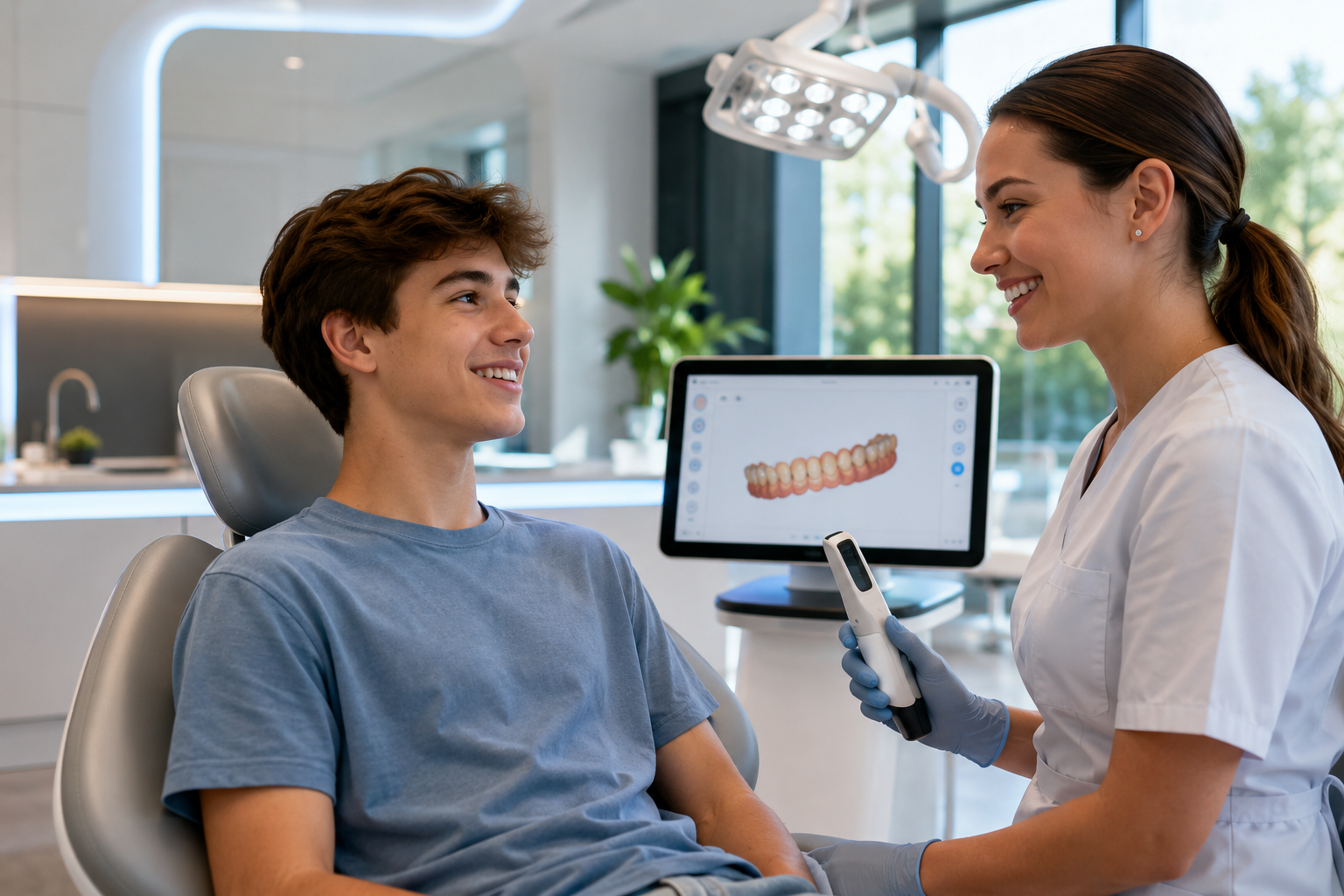
Many patients remember biting into trays filled with impression material when being fitted for a crown, bridge, nightguard, or orthodontic appliance. Digital scanners can now create detailed three-dimensional images of the teeth and gums without traditional moulds in many situations.
Digital impressions may be more comfortable, particularly for people with a sensitive gag reflex. They can also help dental laboratories and dentists communicate more efficiently when designing restorations or appliances.
Digital dentistry now includes tools such as electronic records, digital workflows, three-dimensional imaging, and 3D printing. These technologies are increasingly being integrated into routine dental care.
A Stronger Focus on Preventive Care
One of the most valuable dental trends in 2026 is not a particular machine or device. It is the growing emphasis on preventing problems before they require extensive treatment.
Dentists can consider factors such as a patient’s dental history, gum condition, enamel strength, medications, diet, and brushing habits when recommending a preventive care plan. One patient may benefit from more frequent cleanings, while another may need fluoride treatment, help managing dry mouth, or guidance on improving daily flossing.
Regular examinations remain important even when nothing hurts. Cavities and gum disease may develop gradually and produce few noticeable symptoms during their early stages. Finding a concern sooner may provide more treatment options and help preserve more of the natural tooth.
More Personalized Treatment Planning
Dental care is becoming less standardized and more closely adapted to each patient. Digital photographs, scans, X-rays, and health information can give the dental team a more complete picture of a person’s oral health.
At Highland Kitchener Dentist, treatment recommendations are explained based on the patient’s needs, priorities, and current dental condition. This may include discussing the urgency of treatment, possible alternatives, expected benefits, and steps patients can take at home.
Personalized care is especially useful for children, older adults, people with dental anxiety, and patients managing medical conditions that may affect their teeth or gums.
Minimally Invasive Dentistry
Whenever appropriate, modern dentistry aims to preserve as much healthy tooth structure as possible. Improved imaging, restorative materials, and precision instruments can help dentists identify and treat certain concerns more conservatively.
Minimally invasive care may involve monitoring a small area before treatment, strengthening vulnerable enamel, using tooth-coloured materials, or repairing a tooth without removing more structure than necessary.
Not every dental problem can be treated conservatively. A large cavity, infection, or severely damaged tooth may require more extensive care. The best option depends on the tooth’s condition and should be discussed after a proper examination.
Greater Attention to Patient Comfort
Dental anxiety is common and can prevent people from attending regular appointments. In 2026, dental offices continue to place greater emphasis on communication, comfort, and creating a less stressful experience.
Simple improvements can make a meaningful difference. These may include explaining each step before beginning, allowing breaks, using digital images to show what is happening, and discussing comfort options when treatment is required.
Patients who feel nervous should tell the dental team before their appointment. Knowing about the concern allows the team to adjust its approach and help the patient feel more in control.
Convenient Digital Communication
Online forms, appointment reminders, and digital patient information are making it easier to communicate with dental offices. Teledentistry may also support certain consultations or follow-ups, although an in-person examination is still necessary for many dental concerns.
The Canadian Dental Association has recognized that teledentistry can improve access to care, particularly when dental professionals are not located nearby.
Digital communication can be helpful, but it should not delay urgent treatment. Severe tooth pain, facial swelling, uncontrolled bleeding, or dental trauma should be assessed promptly.
Smart Home-Care Tools
Electric toothbrushes, pressure sensors, timers, and mobile applications can help patients improve their daily routines. Some devices provide feedback about brushing time, pressure, and areas that may have been missed.
These tools can encourage consistency, but they do not replace proper technique. Brush twice daily using fluoride toothpaste, clean between the teeth each day, and replace a worn toothbrush or brush head regularly.
A dental professional can also recommend products based on your individual needs. Someone with sensitive teeth, braces, gum recession, or limited hand movement may require a different toothbrush or cleaning method.
When Should You Visit a Dentist?
Arrange a dental appointment when you notice:
- Tooth pain or sensitivity that does not improve
- Bleeding, swollen, or tender gums
- Persistent bad breath or an unpleasant taste
- A cracked, loose, or damaged tooth
- A sore or unusual area in the mouth that is not healing
- Jaw discomfort or difficulty chewing
- Changes in the fit of a filling, crown, denture, or dental appliance
You should also continue attending regular examinations and cleanings based on the schedule recommended by your dental team. Waiting for pain can allow a manageable concern to become more difficult to treat.
Modern Tools, Personal Care
Technology is helping dental teams examine teeth more closely, communicate findings more clearly, and plan treatment with greater precision. Still, the most important parts of good dental care remain trust, professional judgment, regular prevention, and open communication.
To learn more about your oral health or to arrange your next dental visit, call Highland Kitchener Dentist at 519-885-1598.
DISCLAIMER: The advice offered is intended to be informational only and generic in nature. It is in no way offering a definitive diagnosis or specific treatment recommendations for your particular situation. Any advice offered is no substitute for proper evaluation and care by a qualified dentist.