
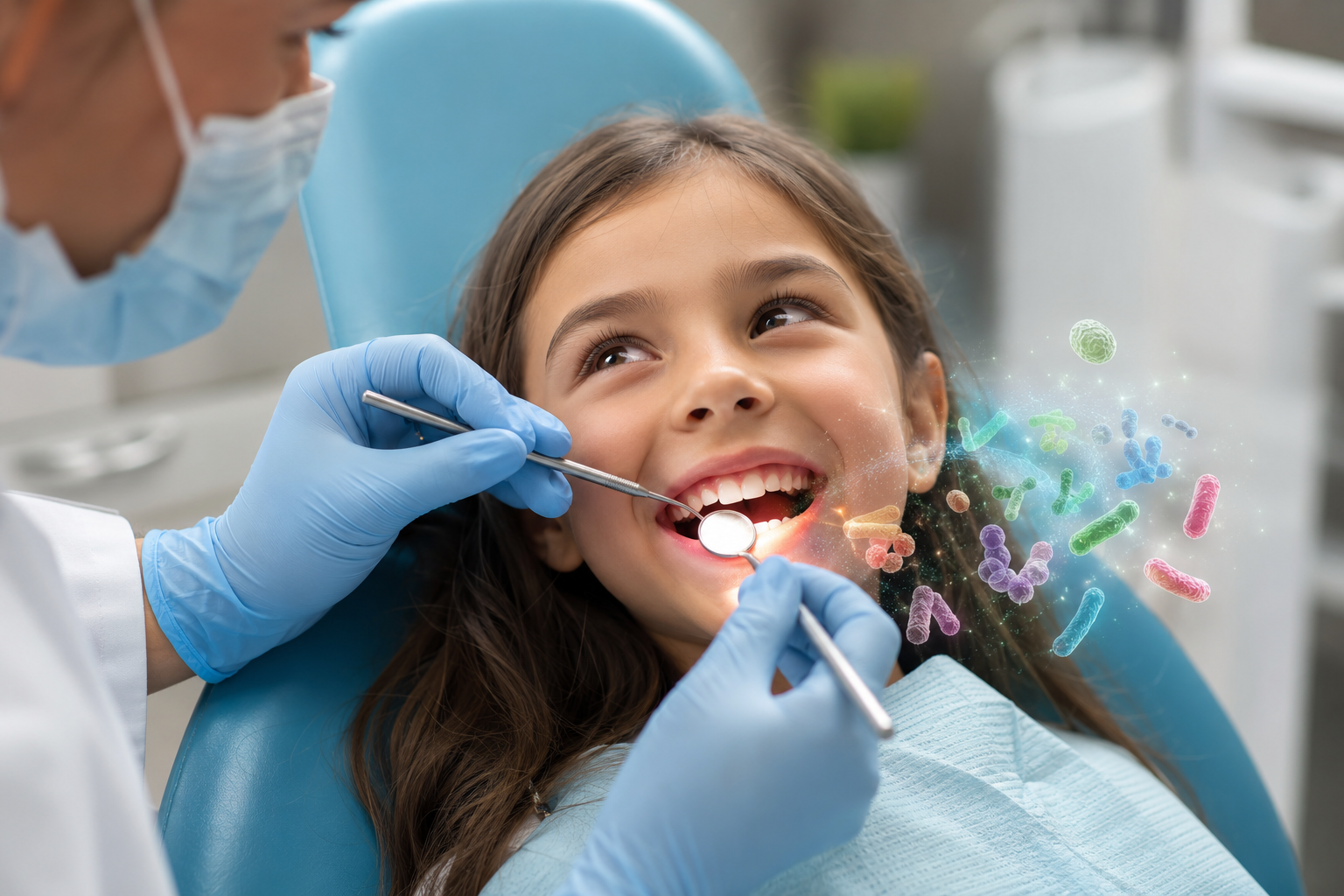
Most people think about brushing, flossing, and limiting sugar when they consider their dental health. What often gets overlooked is the community of bacteria and other microorganisms living inside the mouth. This community, known as the oral microbiome, plays an important role in keeping your teeth and gums healthy.
A balanced oral microbiome can help protect the mouth, while changes in that balance may contribute to cavities, gum inflammation, bad breath, and other dental problems. At Highland Kitchener Dentist, helping patients understand the causes of common oral health concerns is an important part of preventive dental care.
What Is the Oral Microbiome?
Your mouth naturally contains hundreds of different types of microorganisms, including bacteria. Having bacteria in your mouth is completely normal. In fact, many of these microorganisms are harmless or even helpful.
Problems can arise when certain bacteria grow more quickly than others. Changes in diet, oral hygiene, dry mouth, smoking, certain medications, illness, and other factors can disrupt the balance in your mouth.
When harmful bacteria become more dominant, they can contribute to plaque buildup and inflammation around the teeth and gums.
How the Oral Microbiome Can Affect Your Teeth
Dental plaque is a sticky film made up largely of bacteria. It constantly forms on your teeth.
When you consume foods or drinks containing sugars and fermentable carbohydrates, certain bacteria in plaque use those sugars and produce acids. These acids can temporarily lower the mouth’s pH.
Frequent acid exposure may gradually weaken tooth enamel. Over time, this can increase the risk of tooth decay and cavities.
This does not mean you have to completely avoid carbohydrates or occasional sweets. However, frequent snacking and sipping sugary beverages throughout the day can give acid-producing bacteria more opportunities to affect your teeth.
The Connection Between Oral Bacteria and Gum Disease
Your oral microbiome is also closely linked to gum health.
When plaque remains around the gumline, bacteria can irritate the gums and trigger inflammation. Early gum inflammation is commonly known as gingivitis.
Possible signs include:
- Red or swollen gums
- Bleeding while brushing or flossing
- Gum tenderness
- Persistent bad breath
- Changes in the appearance of the gumline
Gingivitis can often be managed when it is identified early and proper oral hygiene is restored.
If bacterial plaque and hardened tartar continue to build up, inflammation can progress deeper around the teeth. This may lead to periodontitis, a more advanced form of gum disease that can damage the tissues and bone supporting the teeth.
Can Your Oral Microbiome Cause Bad Breath?
Persistent bad breath can also be linked to bacteria in the mouth.
Certain bacteria break down food particles, proteins, and dead cells, releasing compounds that can produce unpleasant odours. These bacteria may collect on the tongue, between teeth, around the gums, or in hard-to-clean areas.
Dry mouth can make the problem worse because saliva normally helps wash away food particles and control bacterial growth.
If bad breath continues despite regular brushing, flossing, tongue cleaning, and drinking enough water, a dental examination can help identify possible causes.
What Can Disrupt the Balance in Your Mouth?
Several everyday habits and health factors can influence your oral microbiome.
A diet that includes frequent sugary snacks or drinks may encourage acid-producing bacteria. Poor brushing and flossing allow plaque to remain on teeth longer.
Dry mouth can also alter the oral environment. Saliva helps neutralize acids, wash away food debris, and maintain a healthier balance of microorganisms.
Other factors that may affect oral health include smoking, vaping, heavy alcohol use, certain medications, stress, and some medical conditions.
How to Support a Healthier Oral Environment
You do not need complicated products or extreme routines to support your oral health. Consistent daily habits are usually the most important.
Brush your teeth twice a day with fluoride toothpaste, and clean between your teeth daily with floss, interdental brushes, or another method your dental team recommends.
Cleaning your tongue can also help reduce bacteria and food debris that contribute to bad breath.
Try to limit frequent snacking on sugary foods and avoid continuously sipping sweetened beverages throughout the day. Drinking water regularly can help rinse the mouth and support normal saliva production.
At Highland Kitchener Dentist, regular dental exams and professional cleanings can also help identify plaque buildup, gum inflammation, cavities, and other changes before they become harder to manage.
Do Probiotics Improve the Oral Microbiome?
You may have seen oral probiotics, special mouthwashes, or supplements marketed as ways to improve the bacteria in your mouth.
Research into the oral microbiome continues to grow, but no single supplement can replace brushing, flossing, fluoride use, professional cleanings, and regular dental examinations.
Some products may help certain individuals, but it is best to discuss them with your dentist rather than rely on marketing claims.
Using strong antiseptic mouthwash more often than necessary is also not automatically better. Your dentist can recommend a mouthwash when there is a specific reason to use one.
When Should You Visit a Dentist?
Changes in the oral microbiome often don’t cause obvious problems right away. Cavities and gum disease can develop gradually, which is one reason regular dental examinations remain important even when your teeth feel fine.
Consider scheduling a dental visit if you notice any of the following: ongoing bleeding gums, tooth sensitivity, persistent bad breath, swollen gums, tooth pain, loose teeth, or changes in your bite.
Preventive appointments allow your dental team to examine your teeth and gums, remove hardened tartar that regular brushing cannot remove, and recommend changes based on your individual needs.
Protecting Your Teeth Starts With Prevention
Your oral microbiome is a natural part of your mouth and does not need to be eliminated. The goal is to maintain an environment where harmful bacteria are less likely to cause cavities, gum disease, and other problems.
Good brushing and flossing habits, a balanced diet, adequate hydration, and regular dental visits can all help support long-term oral health.
If you have concerns about bleeding gums, bad breath, cavities, or changes in your dental health, contact our office at 519-885-1598 to book an appointment with Highland Kitchener Dentist.
DISCLAIMER: The advice offered is intended to be informational only and generic in nature. It is in no way offering a definitive diagnosis or specific treatment recommendations for your particular situation. Any advice offered is no substitute for proper evaluation and care by a qualified dentist.