
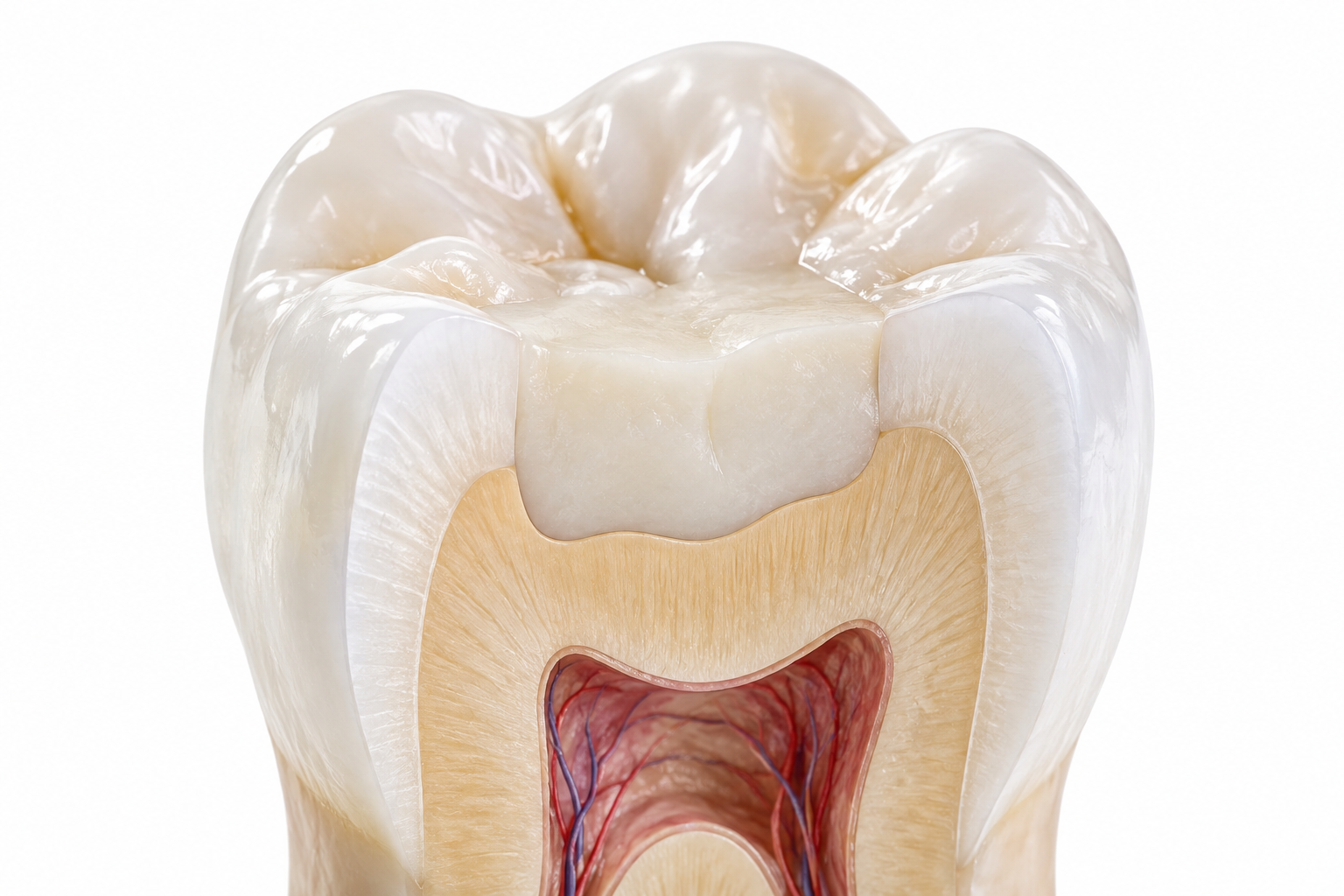
Dental fillings have been used for generations to repair teeth damaged by cavities, cracks, and other issues. While traditional filling materials can restore a tooth’s shape and function, newer materials are being developed to do more than simply fill an empty space. Bioactive fillings are one example of how restorative dentistry continues to evolve. At Highland Kitchener Dentist, patients can learn about modern restorative options and how advances in dental materials may help protect teeth for the long term.
What Are Bioactive Fillings?
Bioactive fillings are restorative materials designed to interact with the mouth’s natural environment. Unlike conventional materials that mainly provide structural support, some bioactive materials can release minerals such as calcium, phosphate, or fluoride.
These minerals are important because they are also found naturally in teeth. Their presence may support the mineral balance around a restored tooth and help strengthen the surrounding tooth structure.
The exact properties vary depending on the material being used, so not every product described as “bioactive” works in exactly the same way.
How Are They Different From Traditional Fillings?
Traditional composite resin fillings are widely used because they can be closely matched to the natural colour of teeth and provide reliable results for many types of cavities.
Bioactive restorative materials aim to add another feature: interaction with the tooth and surrounding environment.
Depending on the material, potential benefits may include:
- Releasing minerals around the restoration
- Supporting remineralization of nearby tooth structure
- Helping maintain a more favourable environment around the filling
- Creating a strong bond between the restoration and the tooth
- Providing a tooth-coloured appearance
This does not mean traditional fillings are becoming obsolete. Conventional composite fillings remain an effective choice in many situations. Bioactive materials simply provide dentists with additional options when planning restorative treatment.
Why Remineralization Matters
Every day, teeth go through a natural cycle of losing and gaining minerals.
Bacteria in dental plaque produce acids that can remove minerals from enamel. Acidic foods and beverages can also contribute to this process. Saliva helps replace some of those minerals, which is known as remineralization.
If mineral loss happens faster than mineral replacement, the enamel can gradually weaken, and a cavity may develop.
Some bioactive filling materials are designed to release minerals that may support the remineralization process around a restoration. Researchers continue to study how effectively different materials perform over time and which situations may benefit most.
Could Bioactive Fillings Help Prevent Future Cavities?
One of the most interesting possibilities is their potential role in protecting the edges of an existing filling.
The area where a filling meets natural tooth structure can sometimes become vulnerable to new decay, particularly when plaque collects around the restoration. This is known as recurrent or secondary decay.
Bioactive materials may help create conditions that better support healthy tooth structure around the restoration. However, no filling can prevent cavities on its own.
Regular brushing, flossing, fluoride use, healthy eating habits, and routine dental visits remain essential.
Your dentist will also consider the cavity’s location and size, how much pressure the tooth experiences, your oral health, and other factors before recommending a filling material.
Signs You May Need a Filling
Small cavities sometimes cause no noticeable symptoms, which is why regular dental examinations matter.
As tooth decay progresses, you might notice:
- Sensitivity to hot, cold, or sweet foods
- Pain when chewing
- A visible dark area or hole in a tooth
- Food becoming trapped in the same area
- A rough or damaged part of a tooth
- Toothache that becomes more frequent
If you experience any of these symptoms, an early examination may allow the tooth to be treated before the damage becomes more extensive.
What Happens During Filling Treatment?
The procedure for placing a bioactive filling can be similar to other tooth-coloured restorations.
The dentist first examines the tooth and determines the extent of the damage. The dentist may use local anesthetic to keep the area comfortable. Decayed or weakened tooth structure is then carefully removed.
The dentist cleans and prepares the tooth before placing the restorative material. Depending on the type of material, it may be applied in layers and hardened before being shaped to match your natural bite.
The dentist then checks the restoration and makes adjustments if necessary.
A consultation with Highland Kitchener Dentist can help determine whether a conventional composite filling, a bioactive material, or another restorative treatment is appropriate for the affected tooth.
Are Bioactive Fillings Right for Everyone?
Not necessarily.
Different teeth experience different levels of pressure, moisture, and wear. A material that works well for a small cavity may not suit a tooth with extensive damage.
Larger areas of damage may require an inlay, onlay, or dental crown instead of a standard filling. If decay has reached the inner portion of the tooth, you may also need additional treatment, such as root canal therapy.
The best treatment depends on the tooth’s condition, not simply on choosing the newest available material.
Preventing the Need for Future Fillings
Even as restorative dentistry improves, preventing cavities remains preferable whenever possible.
You can reduce your risk by brushing twice daily with fluoride toothpaste, cleaning between your teeth daily, limiting sugary snacks and drinks, and drinking plenty of water.
Regular dental checkups are also valuable because dentists can often spot early enamel changes before they develop into larger cavities.
Professional cleanings help remove plaque and tartar from areas that can be difficult to clean effectively at home.
The Future of Restorative Dentistry
Bioactive materials reflect a broader change in dentistry toward restorations that do more than replace damaged tooth structure. Researchers continue to study materials that may better support natural tooth chemistry, improve durability, and reduce the risk of problems around restorations.
For patients, these developments could eventually mean more treatment choices and restorations designed with both repair and long-term tooth preservation in mind.
If you have a cavity, an older filling that feels uncomfortable, or questions about modern restorative materials, an examination is the best place to start. To discuss your options or schedule a dental visit in Kitchener, call the office at 519-885-1598 and speak with the dental team at Highland Kitchener Dentist.
DISCLAIMER: The advice offered is intended to be informational only and generic in nature. It is in no way offering a definitive diagnosis or specific treatment recommendations for your particular situation. Any advice offered is no substitute for proper evaluation and care by a qualified dentist.